









Culture and Etiquette in Qatar
A respectful guide to everyday life in Qatar: Islam and Qatari traditions, greetings and hospitality, what to wear, visiting mosques, photography, behaviour in public, alcohol rules and the QDC permit, business etiquette and national celebrations.
Last reviewed 27 Nov 2026
Qatar is a welcoming, international country where Qatari traditions and Islamic values shape public life. The large majority of residents are expatriates, from almost every country, and people generally get along with courtesy and good humour. A little knowledge of local customs goes a long way: Qataris appreciate visitors who make the effort, and most rules are simply about modesty, respect and privacy. This guide explains what to expect.
Faith and society
Islam is the state religion, and the call to prayer sounds five times a day from mosques across the country. Friday is the holy day, when the midday prayer is the main congregational prayer of the week, and many shops open later on Fridays. Christian churches, mainly in the Mesaimeer religious complex, and other faith communities hold services for residents.
Family is central to Qatari life. Large family gatherings, weddings and visits during Ramadan and Eid are important occasions. Arabic is the official language, and English is widely used in business, shops and services. A few words of Arabic are always appreciated:
- As-salamu alaykum, "peace be upon you", the standard greeting. The reply is wa alaykum as-salam.
- Shukran, thank you.
- Inshallah, God willing, often used when talking about the future.
- Mabrook, congratulations.
Greetings and hospitality
Meeting people
- Handshakes are common between men. Between men and women, wait to see whether the other person offers a hand; many Qatari women and some men prefer not to shake hands with the opposite sex, and a smile and hand on the heart is a polite alternative.
- Use titles where appropriate, such as Sheikh or Sheikha for members of the ruling family, and Dr or Mr with a first name in business.
- Stand when an older person or a senior guest enters the room.
The majlis
The majlis is a sitting room where hosts receive guests, central to Qatari social life. If you are invited:
- you may be asked to remove your shoes at the entrance;
- accept the Arabic coffee, gahwa, served in small cups with dates; take it with your right hand, and gently shake the cup from side to side when you have had enough;
- avoid pointing the soles of your feet at others;
- conversation often starts with polite questions about health and family.
Gifts and food
Use your right hand to eat, give and receive things. Gifts such as sweets, dates or flowers are welcome when visiting a home; never give alcohol or pork products. Pork is only sold at licensed outlets for non-Muslims.
What to wear
Qatari men often wear the white thobe with a ghutra headdress, and Qatari women the black abaya, many with a headscarf. Visitors are not expected to wear local dress, but modest clothing is expected in public places.
- In malls, souqs, government buildings, hospitals and museums, cover your shoulders and knees, for both men and women. Avoid see-through or very tight clothes. Qatar Museums and other bodies run campaigns asking visitors to dress respectfully.
- Swimwear is fine at hotel pools, beach clubs and private beaches, but cover up when you leave them.
- At work, follow your employer's dress code; business dress is usually conservative.
- Carry a light scarf or wrap: it is useful in strong air conditioning and for visiting mosques.
Visiting mosques
Several mosques welcome visitors outside prayer times, including the Imam Muhammad ibn Abd al-Wahhab Mosque (the State Grand Mosque) and the Abdulla Bin Zaid Al Mahmoud Islamic Cultural Center, known for its spiral minaret near Souq Waqif. Dress modestly, with arms and legs covered; women should cover their hair. Shoes come off at the entrance. Keep your voice low, do not walk in front of people praying, and check visiting times before you go.
Photography and privacy
- Ask before photographing people, especially women and families. Many people do not want to be photographed, and taking photos of people without permission can be an offence.
- Do not photograph government, military or security sites, or police operations.
- Be careful posting photos or comments online. Qatar's Cybercrime Prevention Law, Law No. 14 of 2014, covers insulting or defamatory content, invasion of privacy and spreading false news, and offences can lead to fines or prison.
Behaviour in public
- Public displays of affection beyond holding hands are frowned upon.
- Swearing, rude gestures and aggressive behaviour, including road rage, can be criminal offences.
- Respect the state and its leaders. Criticising the Amir, the government or religion in public or online is taken very seriously.
- Sex outside marriage and same-sex relations are illegal under Qatari law. Be discreet and respectful in public.
- Queue patiently and give priority to older people, people with disabilities and families where signs ask you to.
- Noise in residential areas late at night can lead to complaints.
Alcohol
Alcohol is legal in Qatar, with strict limits:
- It is served only in licensed venues, mostly hotel bars and restaurants, to people aged 21 and over, who should carry photo ID.
- Non-Muslim residents can apply for a permit to buy alcohol for home use from the Qatar Distribution Company (QDC), the sole licensed retailer. Eligibility rules, such as salary and residence status, apply.
- It is illegal to bring alcohol into Qatar through the airport, to drink in public or to be drunk in public.
- There is zero tolerance for drink-driving.
- During Ramadan, alcohol sales are usually suspended at QDC and many venues.
Business etiquette
- Relationships matter: expect small talk and coffee before business, and do not rush.
- Meetings may start late or be interrupted by calls and visitors; stay patient and polite.
- Dress conservatively, with suits common for men.
- Use both your title and your name on business cards, ideally with an Arabic side.
- Avoid scheduling meetings during Friday prayers, and expect shorter hours during Ramadan.
Celebrations and heritage
- Qatar National Day, on 18 December, commemorates Sheikh Jassim bin Mohammed Al Thani's succession in 1878 and the unification of the country, with parades, fireworks, Darb Al Saai festivities and maroon and white flags everywhere.
- National Sport Day, on the second Tuesday of February, is a public holiday with sports events nationwide.
- Eid Al Fitr and Eid Al Adha are the main religious holidays. Greet people with Eid Mubarak.
- Garangao, in the middle of Ramadan, is a children's celebration with sweets and traditional songs.
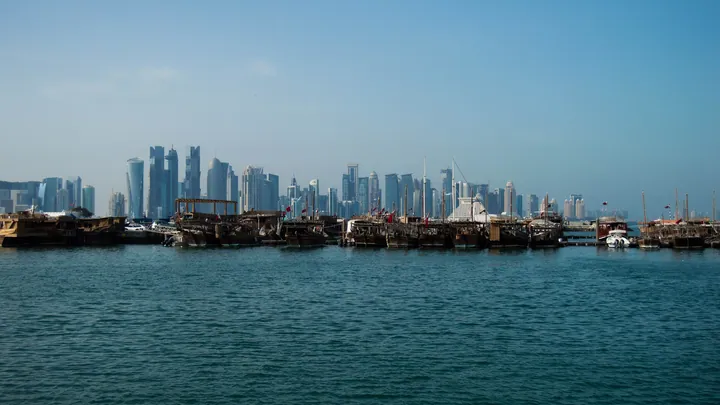
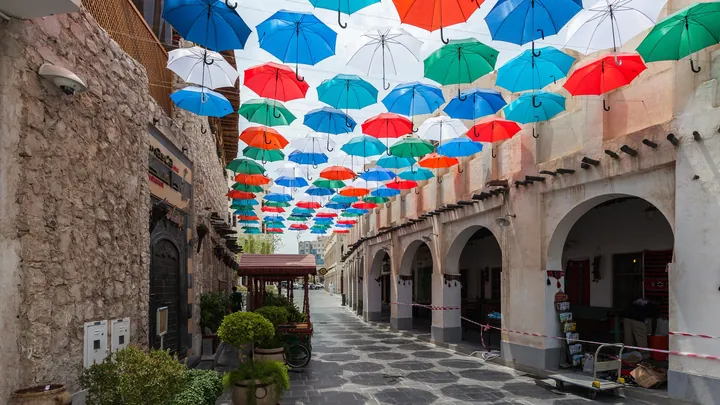
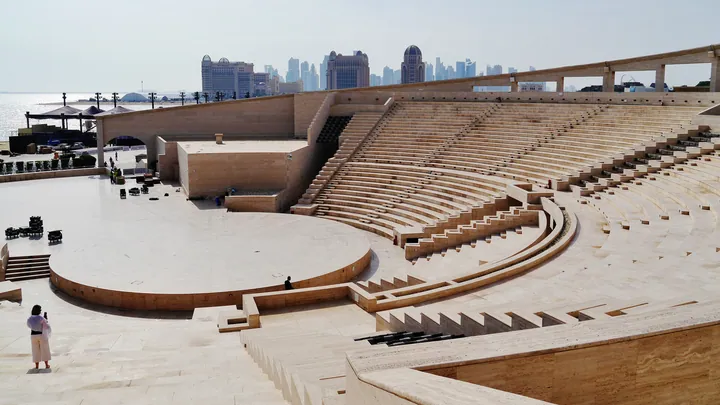
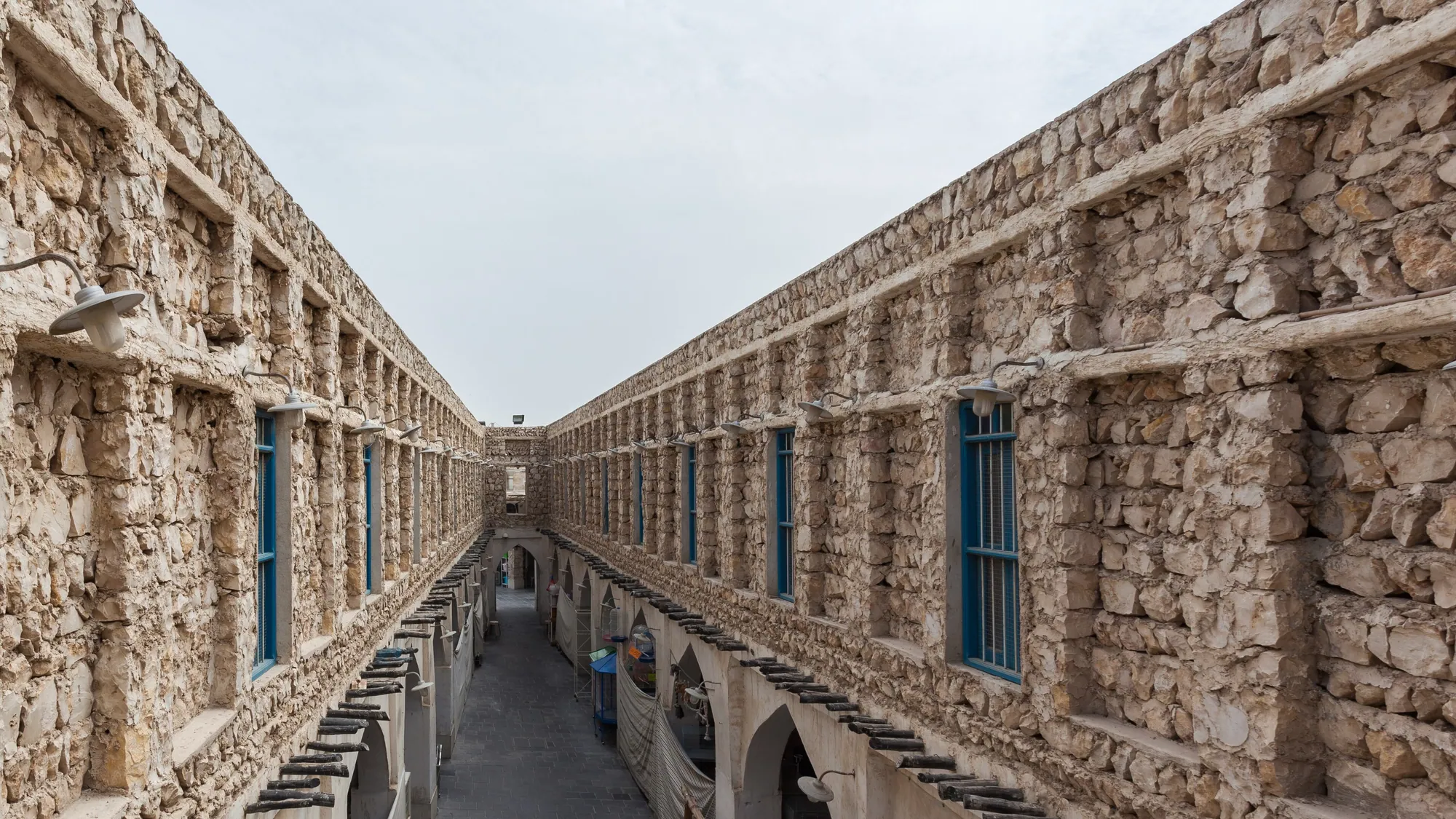
- Heritage sports such as falconry, camel racing at Al Shahaniya and traditional dhow sailing remain part of national life. Visit Souq Waqif, Katara Cultural Village and the National Museum of Qatar to learn more.
See dates on our holidays page and upcoming festivals on events.
Prayer times in daily life
Prayer shapes the daily rhythm. Some small shops close briefly at prayer times, especially for the Friday midday prayer, and government offices and many workplaces have prayer rooms. Malls, airports and petrol stations have prayer rooms too. If you are in a meeting or a shop when the call to prayer sounds, colleagues may step away for a few minutes; this is normal. Check times with our prayer times tool.
Family spaces
Some places are designated for families, which usually means women, children and accompanied men. You may see family sections in some restaurants, family days at parks and events, and separate queues for women in some offices. Single men are sometimes asked not to enter family areas; follow the signs and staff instructions politely. Most malls and public spaces are open to everyone.
Frequently asked questions
Do women have to cover their hair in Qatar?
No. Non-Muslim women do not need to cover their hair in public. Modest dress, covering shoulders and knees, is expected in malls and public buildings. Women should cover their hair when visiting a mosque.
Can tourists drink alcohol in Qatar?
Yes, in licensed hotel bars and restaurants, if aged 21 or over with ID. Bringing alcohol through the airport and drinking in public are not allowed.
Is it rude to refuse Arabic coffee?
It is polite to accept at least one cup. When you have had enough, gently shake the cup from side to side before handing it back.
Can I take photos in Souq Waqif?
Yes, of the buildings and atmosphere, but always ask before photographing people, especially women and families.
What should I know about Ramadan as a visitor?
Do not eat, drink or smoke in public during daylight hours, dress especially modestly and expect shorter opening hours. Read Ramadan in Qatar.
Daleel QA is a guide, not legal, financial or immigration advice. Rules change; confirm with the authority named before you act. Spotted an error? Tell us.