










Renting a Home in Qatar
How to find, check and rent a flat or villa in Qatar: areas and typical rents, licensed brokers, leases and rent cheques, lease registration under Law No. 4 of 2008 and the 2026 amendments, Kahramaa, the Rental Dispute Settlement Committee and moving out.
Last reviewed 27 Nov 2026
Most expats in Qatar rent, either in a home provided by their employer or with a housing allowance. The market is well supplied, landlords often offer a free month or two on longer leases, and leases follow a clear legal framework: the Real Estate Leasing Law, Law No. 4 of 2008, amended by Law No. 8 of 2026, which took effect on 3 September 2026. This guide explains how to search, what a lease should say, how rent is paid and registered, and what to do if something goes wrong.
Choosing an area
Commute times in Qatar depend more on traffic and on the metro than on distance. Popular areas with expats include:
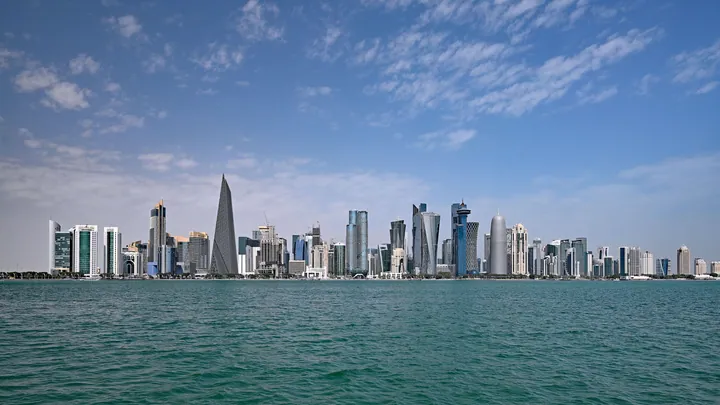
- West Bay and Al Dafna, high-rise flats near offices and the Corniche.
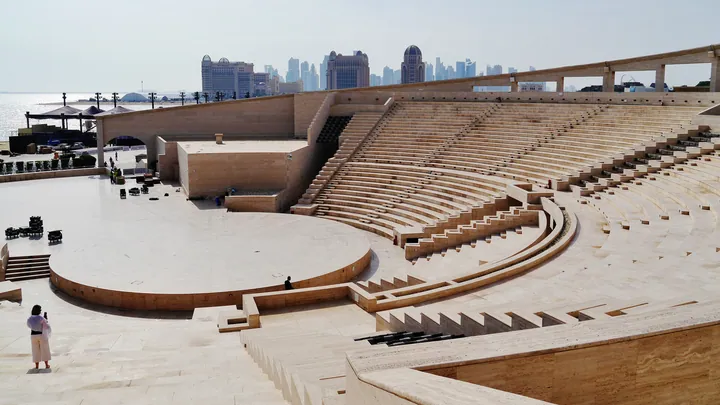
- The Pearl-Qatar, island towers and townhouses with marinas and restaurants.
- Lusail, a newer city with Marina towers, Fox Hills mid-rise blocks and the Lusail Tram, in Al Daayen.
- Al Sadd, Bin Mahmoud and Najma, central and usually cheaper, with good metro links.
- Msheireb, the rebuilt city-centre district.
- Al Waab, Al Gharrafa, Al Duhail and Ain Khaled, villa compounds popular with families, mostly in Al Rayyan.
- Al Wakrah, south of Doha, quieter and close to the airport, see Al Wakrah.
Browse our Doha municipality page for more.
What rent costs
Rents vary a lot by area, size, age of building and whether bills are included. As a cautious guide, asking rents in late 2026 were roughly:
| Home | Typical monthly range (as of 2026, check listings) |
|---|---|
| Studio or one-bedroom in Al Sadd, Najma, Bin Mahmoud | QAR 3,000 to QAR 6,000 |
| One-bedroom in Lusail | QAR 5,000 to QAR 10,000 |
| One-bedroom at The Pearl or West Bay | QAR 7,000 to QAR 10,000 or more |
| Two-bedroom at The Pearl | QAR 12,000 to QAR 18,000 |
| Family villa in a compound | QAR 10,000 to QAR 25,000 or more |
These are market figures from listings, not official statistics. There is no official rent cap in Qatar; rent is agreed between landlord and tenant. Build a budget with the cost of living tool.
Furnished, semi-furnished and "bills included"
Homes are offered unfurnished, semi-furnished (usually with kitchen appliances and air conditioning) or fully furnished. Many flats are advertised with water and electricity included, sometimes up to a monthly cap, and some towers charge district cooling separately. Always ask exactly what is included.
Brokers and how to search
Most listings appear on property portals and through brokers. Real estate brokers must be licensed under Law No. 22 of 2017 on real estate brokerage, regulated by the Real Estate Regulatory Authority (Aqarat). Ask to see the broker's licence and agree any commission in writing before you view. Commission customs vary, and in many cases the landlord pays.
Avoid paying a "booking fee" or deposit before you have seen the flat, the owner's or agent's authority and the draft lease.
What to check before you sign
- Ownership and authority. The person signing must be the owner or hold a valid power of attorney or management agreement.
- Air conditioning. It is essential for most of the year. Ask who maintains it and test every unit.
- Water heaters, leaks and damp. Check bathrooms and ceilings.
- Parking, gym and pool access, and any building rules on guests, pets or moving times.
- District cooling or chiller charges, which can be significant in some towers.
- Maintenance. Agree in writing who pays for minor and major repairs.
The lease
What it should include
- Names and QIDs of landlord and tenant.
- The property address, unit number and electricity number.
- Rent, payment method and due dates.
- Security deposit (commonly one month's rent) and when it is refunded.
- Term, usually one year, and renewal terms.
- Notice period for leaving or not renewing, often one or two months.
- Any rent-free months, and what happens to them if you leave early.
- Maintenance and utilities.
- An early termination clause: without one, leaving early can cost you the rest of the year's rent.
Read the Arabic version or ask for a translation; in a dispute, the Arabic text is normally what counts.
How rent is paid
The usual method is a set of post-dated cheques, often 12 for a year, handed over when you sign. Post-dated cheques remain legal in Qatar, and a bank may not cash one before its date. As of late 2026, we found no rule banning post-dated rent cheques, although more landlords now accept bank transfers and standing orders. Treat every cheque seriously: a cheque that bounces can lead to civil enforcement and criminal action. Keep enough money in the account on each date.
Registering the lease
The landlord must register the lease with the Lease Registration Office of the Ministry of Municipality, usually online. Under Law No. 8 of 2026:
- the registration fee is a flat QAR 250 per unit for each lease registered, replacing the old fee based on 0.5% of annual rent;
- the settlement fee for some registration violations fell from QAR 5,000 to QAR 1,000;
- leases by people who use public or private state property must be registered within two months.
A registered lease protects both sides and you will need it to sponsor your family, to set up Kahramaa and for some school and bank processes. Ask your landlord for the registration certificate.
Electricity and water
Kahramaa supplies electricity and water. Once the lease is registered, Kahramaa's smart registration can open the account in your name automatically. Otherwise you apply online with your QID, the lease and the electricity number. As of 2026, Kahramaa's published deposit for a non-Qatari residential account is QAR 2,000 (QAR 1,200 for electricity and QAR 800 for water), refundable when you leave, and it can be added to your first bill. Tariffs are set by Kahramaa and the state; summer bills are much higher because of air conditioning. Estimate costs with the Kahramaa bill estimator. For a power or water emergency, call Kahramaa on 991.
Internet and TV come from the telecom operators; fibre is widely available.
Disputes: the Rental Dispute Settlement Committee
Disputes between landlords and tenants go to the Rental Dispute Settlement Committee at the Ministry of Municipality. Under the 2026 amendments:
- the Committee has jurisdiction over all lease disputes, including some types previously excluded;
- you must go to the Committee first: courts will not hear a lease dispute until the Committee has decided it;
- its decisions can be appealed to the Court of Appeal within 15 days.
Common cases are unreturned deposits, repairs, unfair eviction and unpaid rent. Before you file, write to the landlord and keep copies of the lease, cheques, receipts, photos and messages. Find property lawyers in the directory.
Moving out
- Give written notice as your lease requires, and confirm the date.
- Settle and close your Kahramaa account and collect your deposit refund.
- Ask the landlord to return any unused cheques and get a written clearance.
- Do a joint inspection and compare with your move-in photos.
- Agree deductions for damage beyond normal wear and tear in writing.
If you are leaving Qatar, allow time for these steps: an uncashed cheque or unpaid bill can follow you.
Frequently asked questions
Can foreigners rent anywhere in Qatar?
Yes. Residents can rent homes anywhere, subject to the landlord. Ownership is restricted to certain areas, but renting is not. See buying property for ownership.
Who registers the lease, and what does it cost?
The landlord registers it with the Ministry of Municipality. Since 3 September 2026 the fee is a flat QAR 250 per unit. Ask for the certificate, as you will need it.
Are post-dated cheques still allowed for rent?
Yes, as of late 2026. They remain a legal and common way to pay rent in Qatar, though many landlords also accept transfers. Make sure funds are in your account on every cheque date.
Can my landlord raise the rent in the middle of the lease?
Not unless the lease allows it. Rent increases are usually negotiated at renewal. If you disagree, you can take the dispute to the Rental Dispute Settlement Committee.
What if my landlord will not return my deposit?
Send a written request with your evidence. If that fails, file a case with the Rental Dispute Settlement Committee, which you must approach before any court.
More questions
What is the working week in Qatar?
Government offices work Sunday to Thursday, with Friday and Saturday as the weekend under Amiri Decision No. 57 of 2025. Many private companies also work Sunday to Thursday, while shops, restaurants and some firms open six or seven days a week. Under the Labour Law normal hours are capped at 48 a week (8 a day), and 36 a week for Muslim workers in Ramadan. Overtime is paid at least 25% extra, or 50% between 21:00 and 06:00. Outdoor work in the sun is banned from 10:00 to 15:30 between 1 June and 15 September.
Is health insurance compulsory?
Yes. Law No. 22 of 2021 on healthcare services makes health insurance mandatory. The first phase, for visitors, began on 1 February 2023: every visitor needs a policy from an insurer registered with the Ministry of Public Health, with the basic visitor plan priced at QAR 50 per month and covering emergency and accident care. For residents, employers are required to provide cover for their staff as the scheme is phased in. Qatari nationals are treated in the public system at Hamad Medical Corporation and PHCC health centres. Check moph.gov.qa for the current phase.
Do I need health insurance?
Visitors do: Law No. 22 of 2021 made health insurance compulsory, and the visitor scheme has run since February 2023, costing QAR 50 per 30 days for emergency and accident cover from insurers registered with the Ministry of Public Health. For residents the law makes employers responsible for basic cover of their non-Qatari staff, and it is being brought in in phases, so ask your employer what your policy covers. Residents can also use Hamad Medical Corporation hospitals and PHCC health centres with a Health Card. For advice call the MoPH on 16000.
What should I know about Ramadan in Qatar?
During Ramadan, Muslims fast from dawn to sunset, and everyone, Muslim or not, should avoid eating, drinking or smoking in public during daylight hours. Working hours are shorter, many restaurants open only after sunset (iftar) or offer screened areas, and malls and souqs stay busy late into the night. Dress modestly, keep music down in public and accept invitations to iftar if you are offered one; it is a warm, generous month. The dates move about 11 days earlier each year with the Hijri calendar, and Eid al-Fitr follows at the end.
Daleel QA is a guide, not legal, financial or immigration advice. Rules change; confirm with the authority named before you act. Spotted an error? Tell us.